Everything You Need to Know About Garbage Can Cleaning in Louisville, KY
If you've ever rolled your garbage can back to the garage after trash day only to notice a terrible smell, sticky residue, or insects crawling around the lid, you're definitely not alone. Many homeowners throughout Louisville deal with dirty garbage cans that quickly become breeding grounds for bacteria, mold, and pests. While most people focus on keeping their homes clean, garbage can cleaning is often overlooked until the odor becomes impossible to ignore.
Garbage can cleaning in Louisville, KY is becoming increasingly popular because homeowners are realizing that a clean trash bin isn't just about getting rid of unpleasant smells. Professional garbage can cleaning helps protect your family's health, reduces pests, improves curb appeal, and makes your property a cleaner place to live. Louisville's warm, humid summers combined with regular rainfall create ideal conditions for bacteria and odor to thrive inside residential garbage cans, making regular garbage can cleaning an important part of home maintenance.
Why Garbage Can Cleaning Matters More Than You Think
Most homeowners assume that because garbage bags hold their trash, their garbage can stays relatively clean. Unfortunately, that's rarely the case.
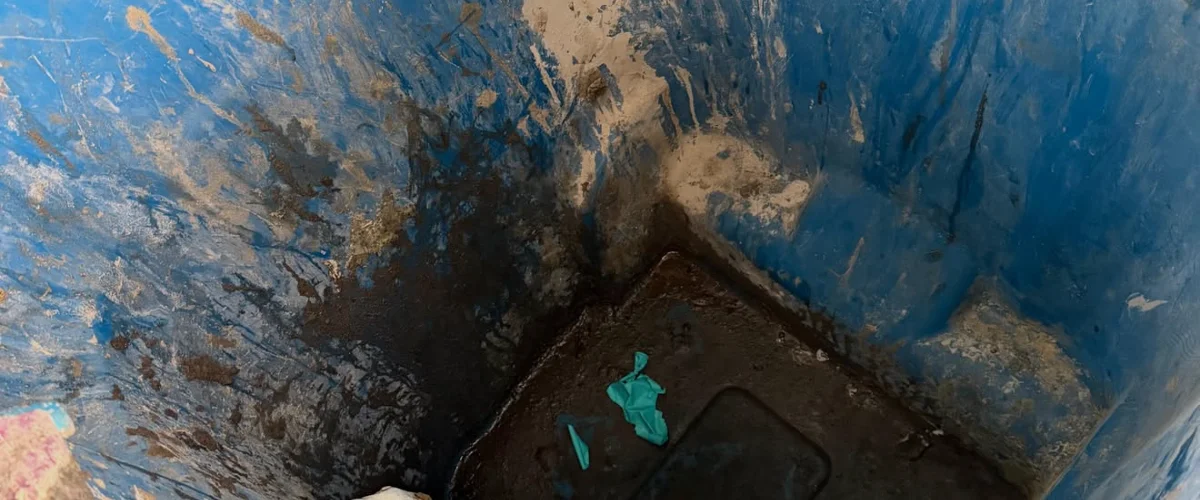
Even quality trash bags leak occasionally. Food scraps, liquids, grease, and organic waste slowly build up along the bottom and sides of the container. Over time, this creates a perfect environment for bacteria and unpleasant odors.
A dirty garbage can may contain:
Harmful bacteria
Mold spores
Mildew
Maggots
Flies
Ants
Cockroaches
Rodents searching for food
Cleaning your garbage can regularly removes these contaminants before they become a larger problem.
Louisville's Climate Makes Garbage Can Cleaning Especially Important
Living in Louisville comes with four distinct seasons, and each one affects your garbage cans differently.
Hot Summers
Summer heat causes food waste to break down much faster.
As temperatures climb into the 80s and 90s, bacteria multiply rapidly. Organic waste begins decomposing almost immediately, leading to stronger odors and increased insect activity.
Rainy Weather
Louisville receives a significant amount of rainfall throughout the year.
Rainwater mixes with food residue inside garbage cans, creating dirty standing water that smells terrible and promotes bacterial growth.
Fall Leaves
Autumn often fills garbage bins with wet leaves, grass clippings, and yard waste.
When these materials sit inside a damp container, mold and mildew can begin growing.
Winter
Although colder weather slows bacterial growth, garbage cans can still accumulate grime that becomes difficult to remove after months of neglect.
What Causes Garbage Can Odors?
Many homeowners think the smell simply comes from garbage.
In reality, the odor usually comes from bacteria feeding on leftover food residue stuck to the inside of your garbage can.
Common odor sources include:
Meat juices
Dairy products
Pet waste
Coffee grounds
Fruit scraps
Vegetable waste
Seafood remains
Cooking grease
As these materials decompose, they release gases that create the unpleasant smells many homeowners notice every week.
How Often Should You Clean Your Garbage Can?
The ideal schedule depends on your household.
Generally speaking:
Homes with small families should clean garbage cans every month.
Larger households often benefit from twice-monthly cleanings.
Homes with babies, pets, or frequent cooking may need even more frequent service.
Recycling bins typically require less frequent cleaning but should still be maintained regularly.
Routine cleaning prevents heavy buildup rather than trying to remove months of accumulated grime.
Signs Your Garbage Can Needs Cleaning
Sometimes it's obvious.
Other times, your garbage can is much dirtier than it appears.
Watch for these signs:
Strong odors
Sticky residue
Visible stains
Mold growth
Maggots
Flies gathering around the bin
Grease buildup
Standing liquid
Dirty lids and handles
If you notice any of these issues, it's time for a thorough cleaning.
What's Living Inside a Dirty Garbage Can?
A neglected trash bin can contain millions of bacteria.
Some commonly found microorganisms include bacteria associated with food waste, mold, mildew, and other germs that thrive in moist environments.
These contaminants can spread onto:
Garage floors
Driveways
Hands
Shoes
Pets
Outdoor surfaces
Keeping your garbage cans clean helps reduce these risks.
Benefits of Professional Garbage Can Cleaning
Professional cleaning goes far beyond simply spraying out a trash can with a garden hose.
Benefits include:
Removal of bacteria
Elimination of stubborn odors
Reduced insect activity
Cleaner garage environment
Better curb appeal
Longer garbage can lifespan
Reduced mold growth
Less attraction for rodents
Many homeowners are surprised by just how much cleaner and fresher their bins remain after regular professional cleanings.
Can You Clean Garbage Cans Yourself?
Yes, but it can be messy and time-consuming.
A thorough cleaning usually involves:
Emptying the bin
Scrubbing every surface
Removing grease
Disinfecting
Rinsing thoroughly
Allowing complete drying
Unfortunately, dirty wastewater often ends up running into storm drains or across your driveway if proper care isn't taken.
Simple Ways to Keep Your Garbage Can Cleaner Between Visits
You can extend the cleanliness of your trash bin by following a few simple habits.
Double bag messy trash.
Wrap meat scraps before disposal.
Keep lids closed.
Rinse recyclable containers.
Avoid pouring grease directly into trash bags.
Sprinkle baking soda inside occasionally.
Clean spills immediately.
These small habits make a noticeable difference.
Common Mistakes Homeowners Make
Many people unintentionally make garbage cans dirtier.
Avoid these mistakes:
Letting liquids collect at the bottom
Leaving the lid open
Throwing away loose food
Ignoring odors
Waiting months between cleanings
Storing bins in direct sunlight whenever possible
Preventive maintenance always works better than waiting until the smell becomes overwhelming.
Garbage Can Cleaning Helps Reduce Pests
Dirty trash bins attract all kinds of unwanted visitors.
These include:
Flies
Wasps
Ants
Cockroaches
Raccoons
Mice
Rats
Removing food residue significantly reduces what attracts these pests in the first place.
Is Garbage Can Cleaning Safe for the Environment?
Responsible garbage can cleaning helps protect both your property and the environment by properly handling wastewater and removing contaminants safely.
Keeping garbage cans clean also reduces harmful bacteria that might otherwise spread around your property.
Seasonal Garbage Can Cleaning Tips
Spring
Start fresh after winter with a deep cleaning.
Summer
Increase cleaning frequency because heat speeds bacterial growth.
Fall
Remove wet leaves and organic debris before mold develops.
Winter
Continue cleaning regularly even though odors may seem less noticeable.
Garbage Can Cleaning and Property Value
While garbage cans may seem like a small detail, clean exterior spaces contribute to an overall well-maintained appearance.
Whether you're welcoming guests or preparing your home for sale, eliminating unpleasant odors and dirty trash bins creates a better first impression.
Garbage Can Cleaning Myths
Myth: Rain cleans garbage cans.
Rain actually spreads bacteria and creates dirty standing water.
Myth: Trash bags prevent buildup.
Leaks happen regularly, allowing residue to accumulate.
Myth: Odor is normal.
Persistent odors usually indicate bacterial growth.
Myth: Bleach alone solves everything.
Cleaning requires removing buildup before disinfecting.
Best Manufacturers of Residential Garbage Cans
Choosing a quality garbage can provides better durability, easier cleaning, stronger lids, and longer service life, making routine maintenance much more effective for homeowners.
Rubbermaid – Durable construction withstands heavy household use while resisting cracking, fading, and everyday wear throughout changing weather conditions.
Toter – Heavy-duty carts feature rugged wheels, secure lids, and durable materials designed for years of residential waste collection.
BRUTE by Rubbermaid – Commercial-grade durability offers exceptional strength, making these containers ideal for demanding residential and commercial environments alike.
Suncast – Attractive outdoor containers provide weather-resistant materials with functional designs that help organize waste while complementing residential landscapes.
Why Choose Swift Can Cleaning?
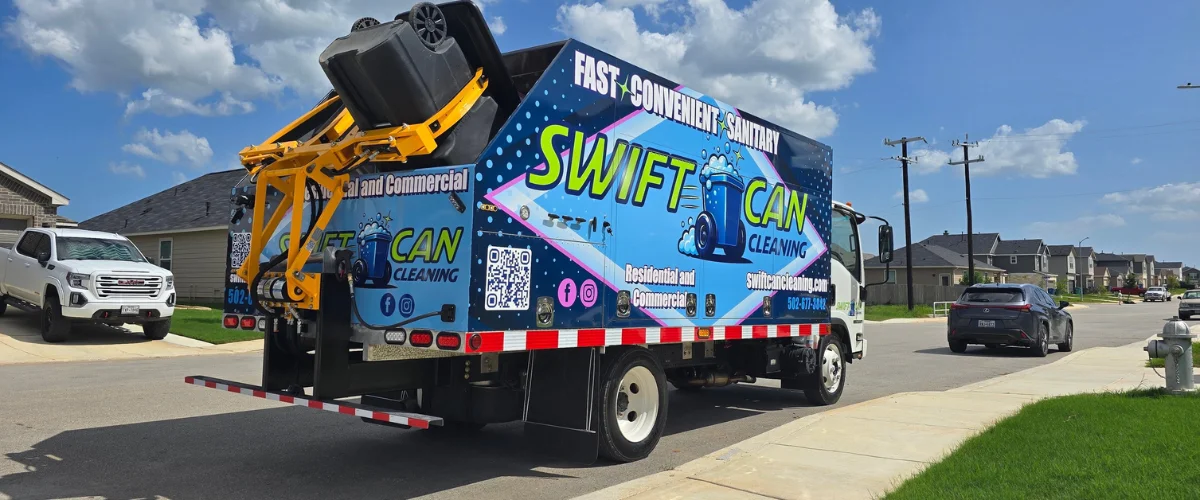
Our team has been providing professional garbage can cleaning services for years, helping homeowners enjoy cleaner, fresher, and healthier properties. Experience matters because proper equipment, proven cleaning methods, and attention to detail deliver better results that last longer. Working with experienced professionals helps protect your investment while saving time, effort, and money over the long run. If you're ready to have your garbage cans professionally cleaned by industry experts, contact Swift Can Cleaning today at 502-677-3842 and let us help you keep your property cleaner year-round.
Frequently Asked Questions
How often should garbage cans be professionally cleaned?
Most homeowners benefit from monthly cleaning. Larger households or homes with pets and young children may prefer more frequent service.
Why does my garbage can still smell after I empty it?
Odors usually come from bacteria and food residue stuck inside the container rather than from the trash itself.
Will cleaning remove maggots?
Yes. Thorough cleaning removes the conditions that allow maggots to survive while eliminating the residue that attracts flies.
Is garbage can cleaning worth it?
Absolutely. Regular cleaning improves sanitation, reduces odors, discourages pests, and helps extend the life of your garbage cans.
Can dirty garbage cans attract rodents?
Yes. Food residue and strong odors attract rats, mice, raccoons, and other animals looking for an easy food source.
Do recycling bins need cleaning too?
Yes. Even rinsed containers leave behind residue over time that can produce odors and encourage bacterial growth.
Does weather affect how often garbage cans should be cleaned?
Yes. Hot, humid Louisville summers increase bacterial growth and odor, making more frequent cleaning beneficial.
Can professional garbage can cleaning help reduce insects?
Yes. Removing food residue and bacteria makes garbage cans much less attractive to flies, ants, cockroaches, and other pests.
Garbage Can Cleaning in Louisville, KY
It's easy to overlook your garbage can, but it's one of the hardest-working items around your home. Keeping it clean improves sanitation, minimizes unpleasant odors, discourages pests, and creates a healthier environment for your family. Given Louisville's warm summers, regular rainfall, and changing seasons, routine garbage can cleaning in Louisville, KY is one of the simplest ways to maintain a cleaner property.
If your garbage cans have become stained, smelly, or difficult to manage, the experienced team at Swift Can Cleaning is ready to help. Contact us today at 502-677-3842 to learn more about our professional garbage can cleaning services and enjoy cleaner, fresher bins without the hassle.